

Kansai Electric Seeks Access to Mutsu Spent Fuel Storage Amid Capacity Crisis
Kansai Electric Power Co. is making a third attempt to access a spent nuclear fuel storage facility in Mutsu, Aomori Prefecture, as its own on-site pools approach full capacity. The utility seeks to store 500 tons of waste at the site, which was originally built exclusively for Tokyo Electric Power Co. and Japan Atomic Power Co., but faces potential opposition from Aomori Governor Soichiro Miyashita.
Kansai Electric Power Co. has submitted its third formal request to utilize an interim storage facility for spent nuclear fuel in Mutsu, Aomori Prefecture, a move that could be blocked by the region’s governor, who previously denied similar access twice. The utility is racing against time as its on-site storage pools near capacity, with officials warning that reactors may be forced offline starting in fiscal 2028 if no alternative storage is secured.
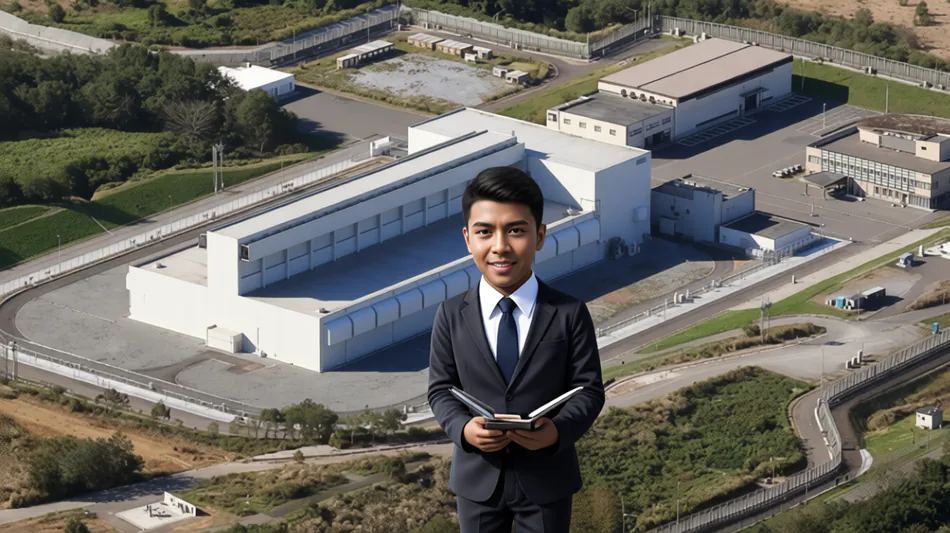
The facility in Mutsu, completed in late 2024, holds a unique status in Japan’s nuclear infrastructure as the first interim storage site constructed outside of an operating nuclear power plant. Originally designed to hold spent fuel exclusively from Tokyo Electric Power Co. (TEPCO) and Japan Atomic Power Co., the structure is now being considered for expanded use by other utilities. TEPCO and Japan Atomic Power announced in September that they would seek approval from local authorities to allow Kansai Electric and Tohoku Electric Power Co. to store waste at the site, citing insufficient demand from their own operations to fill the facility.
The Mutsu facility, along with a secondary building planned for future construction, will have a total capacity of 5,000 tons, with storage permitted for up to 50 years. TEPCO plans to deposit 3,500 tons and Japan Atomic Power 900 tons. The remaining 600 tons of capacity would be allocated to Kansai Electric, which seeks to store 500 tons, and Tohoku Electric, which would store 100 tons. Under the current proposal, Kansai Electric and Tohoku Electric would begin transferring their spent fuel around 2028, with the facility expected to reach full capacity by the first half of the 2050s.
Kansai Electric officials presented the plan directly to local residents for the first time during public briefing sessions held in Mutsu on October 31 and November 1. Representatives from Kansai Electric, Tohoku Electric, TEPCO, Japan Atomic Power, and the Mutsu city government attended the meetings. While Mutsu municipal officials are expected to welcome the proposal due to potential tax revenues from spent fuel storage, the request requires approval from Aomori Prefectural authorities because the original siting agreement does not anticipate storing fuel from companies other than TEPCO and Japan Atomic Power.
The urgency for Kansai Electric stems from a long-standing failure in Japan’s nuclear fuel cycle policy. The company, which relies on nuclear energy more heavily than any other utility in Japan, operates seven reactors, all located in Fukui Prefecture. Before the 2011 Great East Japan Earthquake, nuclear power accounted for more than 50 percent of Kansai Electric’s electricity output. However, the national plan to reprocess spent fuel at a facility in Rokkasho, also in Aomori Prefecture, has been delayed 27 times since its original 1997 target. Although the most recent completion date was set for the current fiscal year, industry insiders consider this unlikely.
The nearly three-decade delay has severely impacted Kansai Electric’s operations. The company’s spent fuel pools are expected to become full starting in fiscal 2028. To avoid shutting down its nuclear plants, Kansai Electric is committed to relocating a portion of its waste outside Fukui Prefecture. The utility had previously attempted to construct an interim storage facility in Kaminoseki, Yamaguchi Prefecture, for joint use with Chugoku Electric Power Co. However, that plan faced vehement opposition from local residents and officials, leading Kansai Electric to tone down public discussion of the project in recent months.
The current request faces significant political hurdles due to the stance of Aomori Governor Soichiro Miyashita, who previously served as Mutsu’s mayor. In 2018, then-Mayor Miyashita fiercely opposed Kansai Electric’s initial interest in the facility, citing a lack of prior consultation with local officials and residents. He stated that the company’s handling of the issue showed disrespect for local feelings. In 2020, when the Federation of Electric Power Companies of Japan (FEPC) attempted to secure approval for co-use by member companies, Miyashita again denied the move, arguing that accepting spent fuel from across the country would cause Mutsu to be perceived as a dumping ground for nuclear material.
Industry insiders suggest that Tohoku Electric’s inclusion in this latest proposal is intended to deflect attention from Kansai Electric. Nozomu Mori, president of Kansai Electric and chairman of the FEPC, stated at a September 18 news conference that while his company faces ongoing challenges regarding spent fuel, the proposal for expanded use of the Mutsu facility is meant to broaden options for the entire industry.
TEPCO President Tomoaki Kobayakawa addressed safety concerns during a visit to the Mutsu city government on September 18. He assured Mayor Tomoya Yamamoto that the proposed arrangement would not inconvenience local officials or residents and would not affect the facility’s safety. Kobayakawa also promised that new partners would abide by the siting agreement’s 50-year storage limit.
Mutsu municipal assembly members adopted a petition in March, submitted by local business leaders, calling for more companies to use the site. The city imposes taxes on spent fuel storage, and operating below capacity would result in lower revenues than expected. Following this decision, Mayor Yamamoto urged TEPCO and other stakeholders in August to expand the facility’s use to additional electric power companies.
Despite local municipal support, the final decision rests with Governor Miyashita. He has already rejected TEPCO’s request to use the Mutsu interim storage facility during the current fiscal year due to uncertainty surrounding the Rokkasho reprocessing plant’s timeline. Observers note that the electric industry and the central government must present a realistic outlook on when the reprocessing plant will finally operate if they hope for prefectural approval of joint use at the Mutsu site.
(F.Dlamini--TPT)